UX is about more than just customers and screens – it’s about your employees too!

I love my job!
It doesn’t matter how much extra they would pay me – I wouldn’t leave here.
You go home – I’ll finish this up tonight and get it to the client this weekend. Have a great time away!

These are the types of things you hear in a great organization. The type of organization where people only want to come to work, they love coming to work!

It’s actually not a hard thing to build. A great organization that is, where people want to come to work. The issue though – is it takes intention. You have to want to build a great place to work. and, you need to work with the people who work with you – your colleagues and employees – to do it!
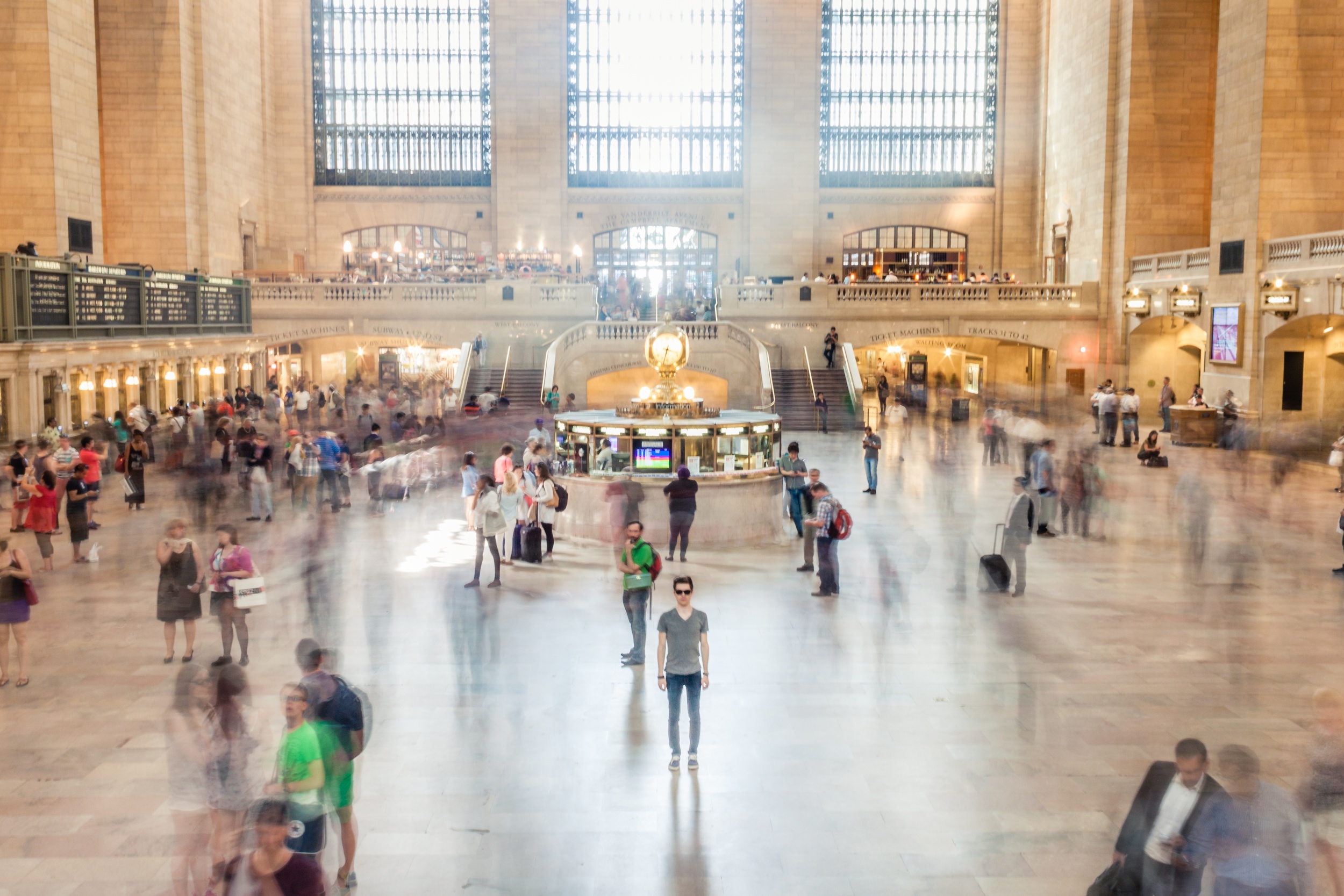
You often hear people talk about “how things around here have changed. It doesn’t feel like the same place anymore.” You see this a lot as Start Ups grow or after there has been a leadership change or a major shift in more established organizations – such as a merger or an acquisition. When this happens, although it’s hard to initially quantify, huge amounts of value are being lost.

While these types of shifts do not usually impact immediately on top-line or bottom-line revenue – they do begin to impact more and more over time. This ‘feeling’ that things aren’t quite the same anymore generally leads to behavioral shifts that impact on productivity, efficiency and effectiveness. The most dramatic behavioral shift is often that people leave!

The costs in losing staff – particularly highly skilled staff in a hot economy – can be huge. The immediate loss of productivity through the loss of their work for the organization, plus costs in recruiting, plus costs in training, and so on mount up quickly. Combined, this can add up to very large amounts of money after not very long.
Often when we talk of these issues we use the term culture to describe what’s happening.

There’s been a shift in culture.

This is true but isn’t necessarily very helpful.

As a simple definition, culture is:

the systems of interactions and relationships between people and objects that provides meaning and structure to their lives.

If we look at this closely though we see that many aspects of what people talk about when they talk about culture look very similar to what we see when people talk about User Experience (UX). While UX isn’t an organization’s culture it is an important tool to help build an organization’s culture with intent and purpose.

Put simply:

User Experience (UX) is the overall experience and satisfaction a user has when using a product or system.

Your organization (be it a private company, a public company, a non-profit or a government agency) is a system.
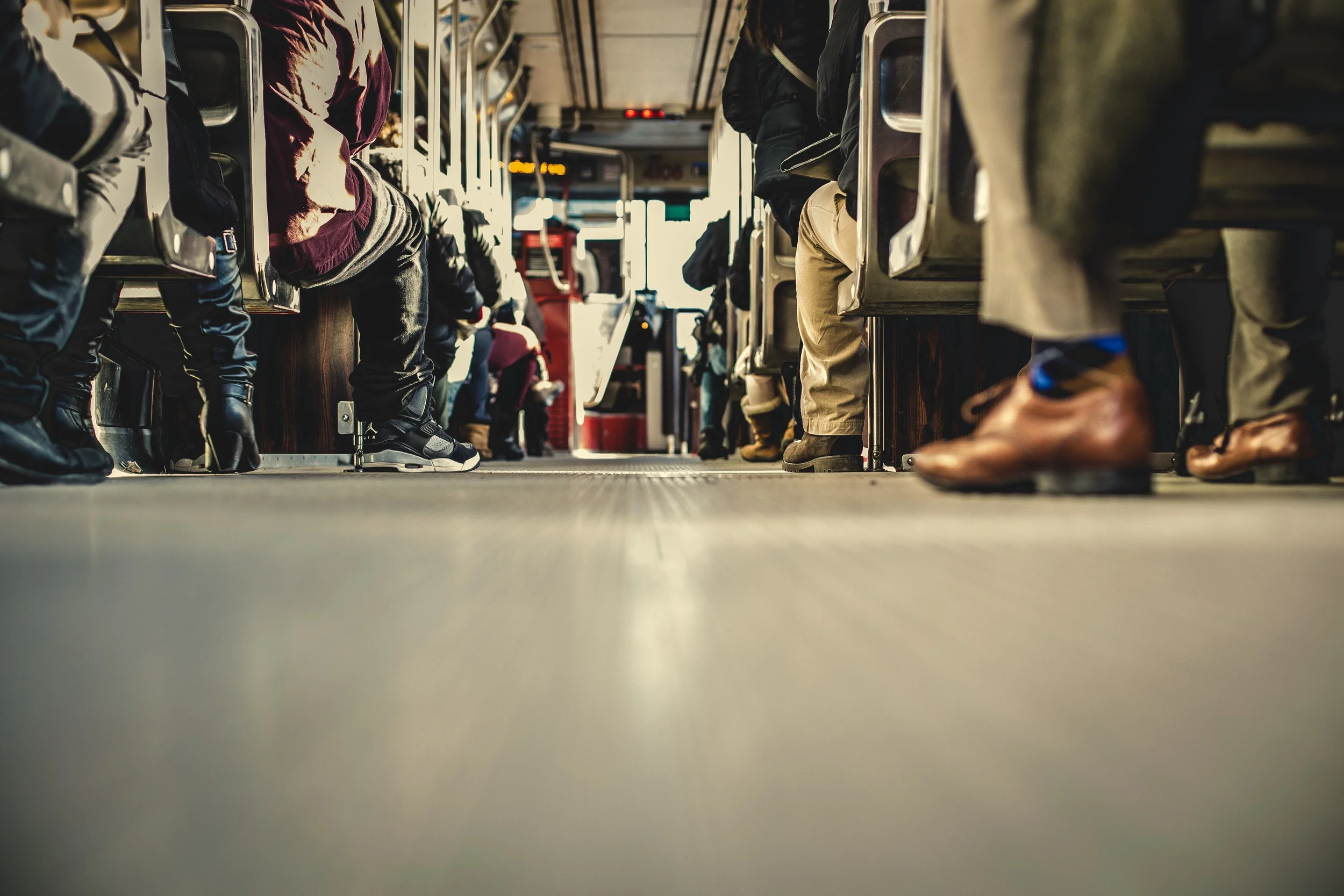
Your organization creates experiences not only for those that ‘consume’ it’s services/products (those are customers/consumers) but also those who work to create those same services/products (those are your employees/volunteers/contractors).

Huge amounts of money are spent by organizations every year ensuring that our customer’s user experience is as good as we can make it. But the same isn’t generally true for our employee’s user experience.

And this isn’t a good thing!

Usability is a major driver of employee engagement and productivity. And usability is a key driver for UX which is just about designing experiences for the user. By using simple design principles and usability engineering techniques you can easily deliver experiences that are simple, effective and enjoyable for your employees.

But you need to want to do it.

We all know that happy and engaged employees matter, as engagement leads to increased levels of loyalty, retention and overall productivity. Done well, UX helps people to not only perform the task at hand successfully, but also helps them to enjoy the process as well. Actively working to design experiences that enable the simplification of people’s work lives will both renew and increase engagement levels at work.

And, you can do it.

User Experience Design is well a established body of practice (both digital and analog) for collecting, integrating, interpreting and applying user research in order to test the elements of a system to influence and affect users of a system in a measured and predictable way. And, you can do this according to your own user’s criteria for success and happiness – this means help your employees help themselves to have a better experience at work!!  

User experience is a vital part of all business activity nowadays. But it’s not just about screens. And, it’s not just the customer either.

Your employees are users too! Their experience matters.

Happy and satisfied employees contribute to both bottom-line and top-line revenue. Make sure that your employees have a great user experience – at the very least you’ll save yourself money but there are far more important reasons than just that.
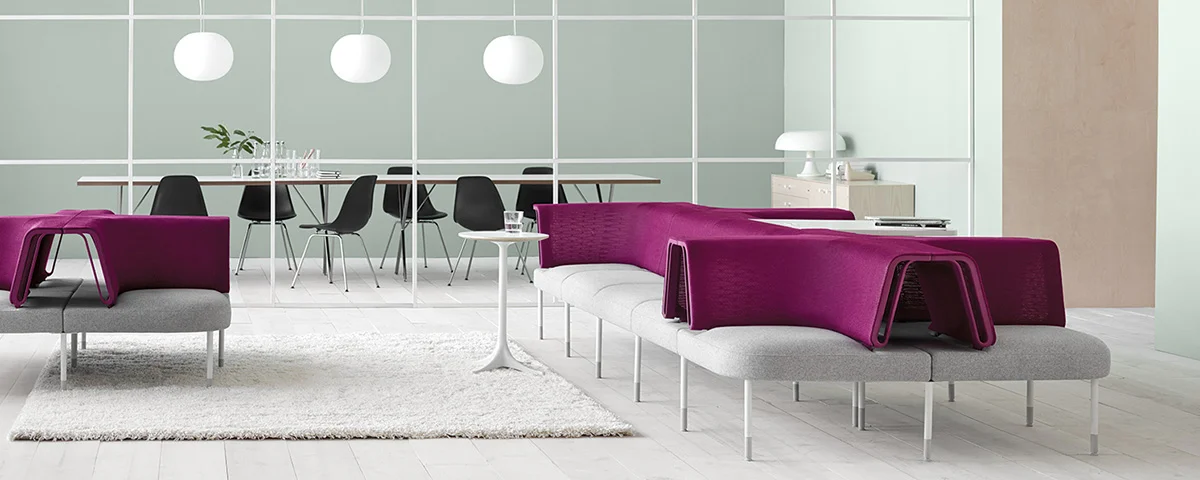
The changing space of the workplace – virtual worlds, collaboration, and democratic spaces

For millennia architects have been keenly aware of the forces acting on a structure on which they worked – as the physical forces acting on these structures created both centrifugal (outward throwing) and centripetal (inward throwing) forces. So too, in their work on the construction of physical spaces to structure the way people engaged with one another and the built environment, architects have long focused on the ways in which certain types of space create certain types of movement and interaction. Linear routes are thus suited for movement while more centroidal places are suited to assembly.

In the modern environment, where even the concept of space itself begins to fall to the wayside as we become increasingly virtual in our work, we need to understand the forces at play. For, to do otherwise, is to create spaces of at best inappropriateness and, at worst, of inadequacy.

The world is changing. The world has changed. So too, the workplace needs to change. To create workspaces which are based on the forces of the first or second industrial revolution is to create spaces ill-suited for the needs of the modern work place and the modern work force too.

Where virtual and physical worlds collide – workplaces now need to be designed to optimize that which cannot be found in the virtual world: the construction of democratic spaces of collaboration, adaptability, and spontaneity.

In this respect, improving the ‘employee journey’ is just vital as improving the ‘customer journey’ in the modern organization. The most recent evidence we’ve seen of this can be found in the Design Council’s report: Leading Business by Design.

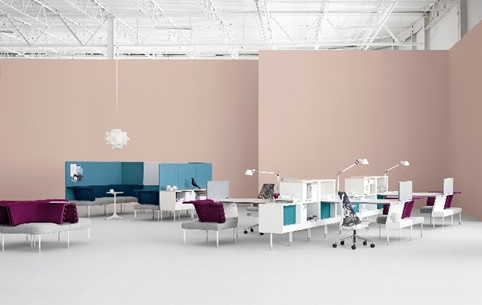
Focusing on how embedding design thinking into workspace design can affect productivity the report aligned well with a new body of work on the concept of the ‘Living Office’ curated and produced by Herman Miller (the pictures in this piece are taken from this collection). The new body of work includes pieces by Industrial Facility and Yves Behar’s fuseproject.

Given that the modern workplace exists as much in virtual space as it does in physical space, the suite of designs are focused on what makes the office space necessary, this being:

easy and democratic collaboration with others.

With modern technology, the facilities of the 'office' are now as easily as accessible from home as they are from the physical office, and so there is a need to differentiate the functionality that these spaces offer to those who work in them.

In doing this, Herman Miller have set out through this particular project to create a ‘vision and a framework’ that works to help organizations attract and retain talent through the creation of more satisfying work spaces.

DesignWeek have produced an interesting new piece on this work exploring the two key solutions that have emerged from this project.

The first is the Public Office Landscape design, created by Yves Behar and fuseproject. Based on the concept of the Social Chair:

a soft seat that promises to be able to accommodate ‘a range of people and postures’.

the design has been created to

support casual work and provide comfort, at the desk, in circulation space, and in group areas – all within a consistent design vocabulary.

This in turn dovetails with the design solutions offered in the Locale suite designed by Industrial Facility. Designed with the understanding that work is no longer necessarily confined to a particular space, this particular suite of work is based on the realization that people use office space now as spaces for face-to-face conversation – as distinct from that offered through more virtual computer-mediated forms of interaction.

With this in mind, their suite of work is based on the concept of proximity. Physical proximity is important as this is how spontaneous meetings of minds and people can occur - which in turn provides the catalyst for creativity. Key to this suite of products then is their adjustable nature – to promote movement, collaboration and spontaneity.

Collaboration and adaptability then is key to this entire suite of products.

In this respect the work emerging from this project echoes the work of architect Robert Geddes, for who:

choice is the essence of design. 

In this respect architecture of the built environment – just as for organizational architecture:

is an enabling mechanism. It does not determine what we do, but it does make some things possible, and sometimes more probable.

In the modern workplace we need to be increasingly aware of the forces acting on an organization – it’s gravity, so to speak.

At the very least – in purely pragmatic terms – in the knowledge economy, the attraction and retention of staff is paramount: for that is where value creation now lies. Organizations need to provide spaces that promote this. They need to be useful for those who use them. In this respect then, improving the ‘employee journey’ is just as important as improving the ‘customer journey’.

Sign up here to receive updates from our monthly newsletter with the latest news and updates from the strategic design sector.